Categories
Community, Homebuyers, Homeowners, SellersPublished June 19, 2026
Renovations That Can Lower Your Home’s Value Before You Sell

A lot of homeowners assume this is how resale works: spend more money, get more money back.
I wish it were that simple.
The truth is, some renovations absolutely help a home sell better. But some updates do the opposite. They cost a lot, make the home feel more personal instead of more marketable, and leave sellers wondering why buyers are not nearly as impressed as they expected.
If you are getting ready to sell in Bonney Lake, Lake Tapps, Auburn, Buckley, Sumner, Kent, Covington, Maple Valley, Tacoma, or nearby communities, this is one of the most important mindset shifts to make early: expensive is not the same thing as valuable.
Buyers are not automatically paying you back for every dollar you spent. They are paying for the version of the home that feels right for their life, their budget, and the choices they would not have to undo.
The biggest mistake is renovating for your taste right before you sell
This happens all the time.
A seller gets close to listing and decides the house needs one big final project. Maybe it is a dramatic tile choice, a trendy kitchen update, a super bold bathroom, or a custom built-in situation that felt perfect for how they lived in the home.
The problem is that buyers do not walk in thinking about how perfectly the house fit you. They are trying to picture how easily it could fit them.
If an update feels overly specific, too taste-driven, or hard to reverse, it can actually create friction instead of excitement.
That does not mean every home needs to be bland. It just means highly personal design choices are risky when your goal is broad buyer appeal.
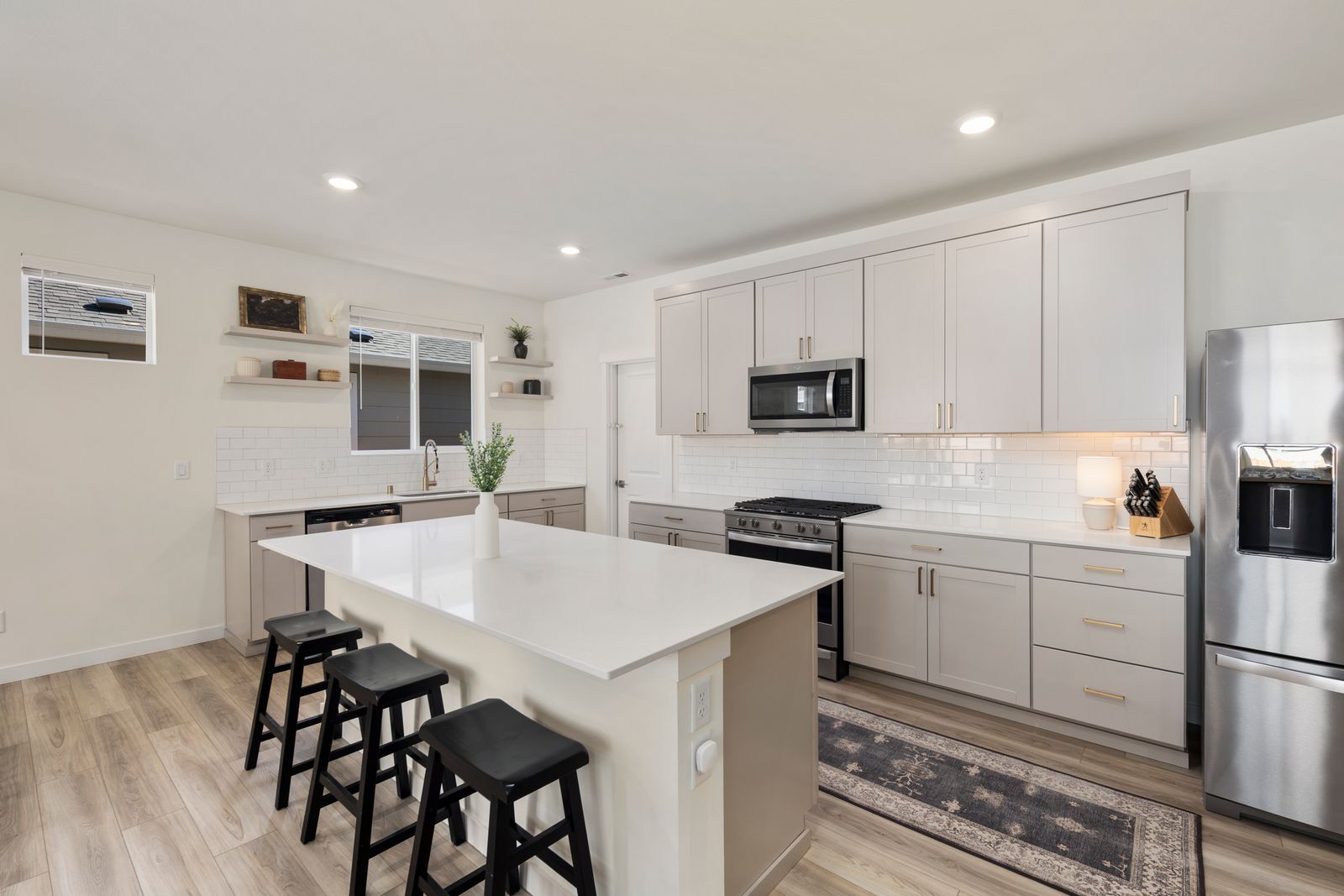
Overly custom kitchens are not always the flex sellers think they are
Kitchens matter. A lot.
But sellers sometimes confuse “updated” with “universally appealing.”
A kitchen renovation can backfire when it prioritizes style over function, pushes too hard into one specific trend, or adds finishes that feel out of sync with the neighborhood and price point. Buyers may admire the cost, but still mentally calculate what it would take to change it.
That is a problem if you were expecting the kitchen to be the thing that justified a higher price.
In a lot of Pierce County and South King County markets, buyers respond best to kitchens that feel clean, bright, functional, and move-in ready. They usually care more about usability and overall feel than whether the design looks like it came straight from a luxury mood board.
Taking away useful space can hurt more than it helps
This is one sellers do not always see clearly.
Sometimes a renovation sounds creative in the moment but lowers practical value later. Turning a bedroom into a giant closet. Giving up garage space for a hobby room. Eliminating a dining area for a niche feature. Making one room more exciting while making the whole house less flexible.
If a change removes function buyers expect, it can narrow the pool fast.
That matters because resale is not just about whether one person loves the idea. It is about whether enough buyers can see the home working well for them without extra cost or hassle.
Luxury upgrades without neighborhood support can disappoint sellers
A really expensive project does not automatically make sense for every house.
If you install luxury finishes far above what buyers expect in that area, you may not get the reaction you hoped for. Buyers compare homes within a local context. They look at what else is available nearby, what price range they are shopping in, and what level of finish feels normal for that part of the market.
So while a high-end project might feel impressive, it can still be hard to fully recapture if the neighborhood does not support that jump in value.
This is why local strategy matters so much. What works in one pocket of Maple Valley may not translate the same way in Auburn or Buckley. What feels right for one price point in Tacoma may not make sense in Sumner or Covington.
DIY projects can quietly drag value down
Some home projects are truly well done.
Others look good from far away and raise questions the second a buyer gets closer.
Crooked tile lines, rushed trim work, paint that was clearly done too fast, mismatched materials, awkward conversions, and shortcuts that feel unfinished can all chip away at buyer confidence. Even if the project itself was meant to improve the home, poor execution can make buyers wonder what else was handled the same way.
And once buyers start questioning quality, they usually become more cautious across the board.
Bold design choices are risky right before resale
There is a difference between character and commitment.
Buyers can appreciate personality. But very bold wallpaper, intense paint colors, niche finishes, unusual fixtures, or dramatic materials can make a home feel like a project rather than a fresh start.
The issue is not that buyers have no imagination. It is that they are already making a lot of decisions at once. If the house comes with too many immediate visual changes they would want to make, they may lower what they are willing to pay or simply move on to something that feels easier.
When you are preparing to sell, “easy” is often a big part of what buyers are paying for.
So what kinds of updates usually help instead?
Usually, the most effective pre-listing work is much less dramatic.
Buyers tend to respond well to homes that feel clean, well cared for, and easy to move into. That often means focusing on presentation, maintenance, and simple improvements that create confidence without forcing your taste on the next owner.
In real life, that can look like fresh paint in the right places, better lighting, updated hardware, flooring that feels clean and consistent, minor repairs, and anything that helps the home feel more polished without making it feel overworked.
The projects that win are often the ones that remove friction.
The question is not “What did this cost me?”
It is “Will buyers value it?”
That is the difference.
Sellers understandably want their investment in the home to count. But resale value is not based on what you spent. It is based on how buyers interpret the result.
If an update makes the home feel fresher, easier, and more functional, that can absolutely help. If it makes the home feel more specific, more expensive to undo, or less aligned with the local market, it may not give you the return you were hoping for.
That is why it is so important to get clear before starting major work.
Before you tear out a kitchen, commit to the bold tile, or sink money into a project because it sounds impressive, pause and ask a better question: will this actually help buyers feel more confident about this home?
Because that is what usually drives value.
Not the biggest budget. Not the trendiest finish. Not the project your contractor is most excited about.
Just the updates that make the home feel clean, functional, and easy to say yes to.
If you are getting ready to sell and you are not sure which improvements are actually worth doing, that is a great conversation to have before the money is spent. A smart pre-list strategy usually saves sellers from over-improving and helps them focus on the changes that truly support the sale.
— Larissa Butler, Realtor® | Keller Williams Realty
Click below to get on my calendar and start the conversation. Click Here

Written by Larissa Butler, a top female Realtor serving Pierce and King County, Washington. Recognized for her data-driven marketing and focus on empowering women through homeownership.

Larissa Butler
| Larissa Butler Realty | Keller Williams Realty Puyallup
or another way